Blogs Details
Amarnath Yatra Packing Mistakes: 10 Mistakes That Can Ruin Your Trek
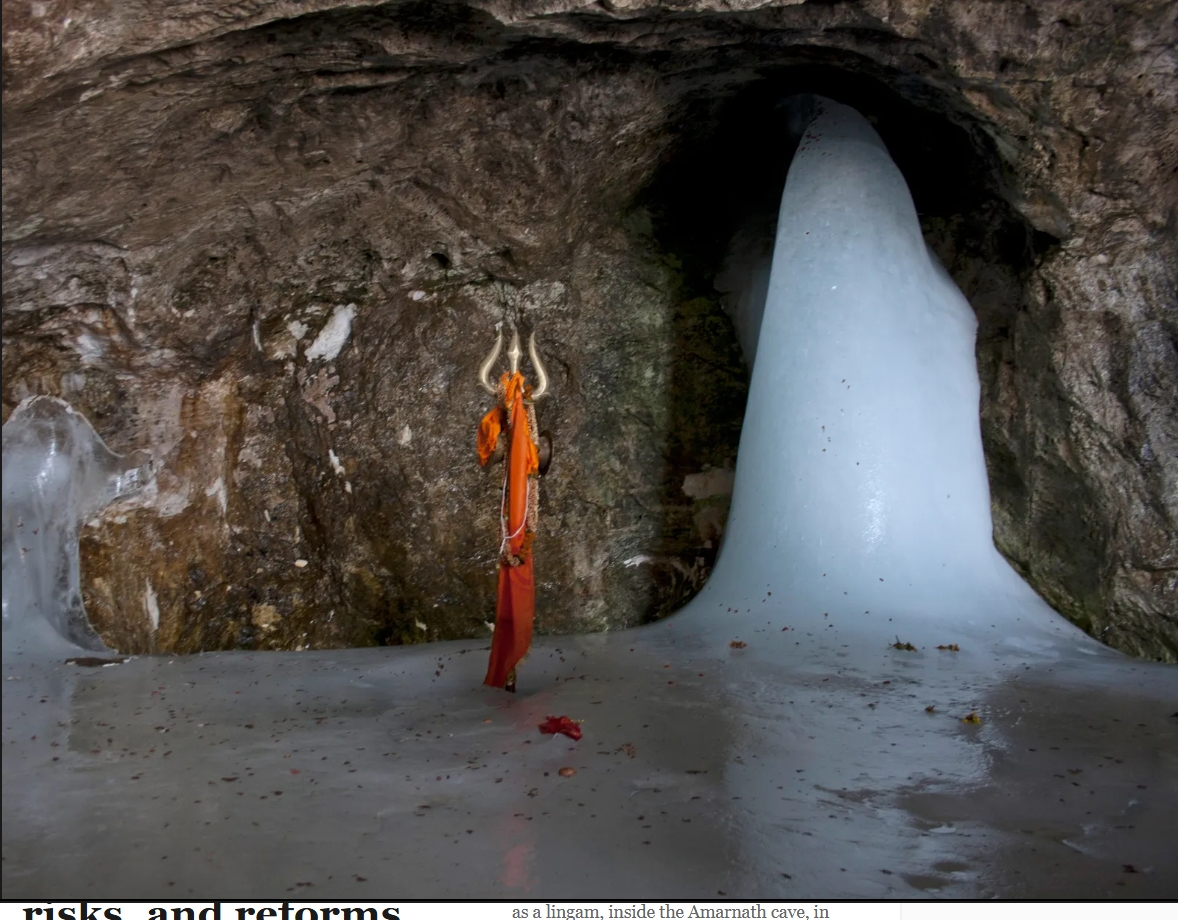
Introduction:
Planning the Amarnath Yatra? This blog covers 10 common packing mistakes that first-time pilgrims often make, including wearing regular shoes, carrying heavy luggage, ignoring rain protection, and forgetting essential trekking items. Learn what to pack smartly for a safer, lighter, and more comfortable Amarnath trek experience.
-
Amarnath Yatra Packing Mistakes: 10 Mistakes That Can Ruin Your Trek
Introduction
Amarnath Yatra is not an ordinary trip. The freezing temperatures, sudden rainfall, steep trekking routes, and high-altitude conditions can make even small packing mistakes feel serious during the journey.
Many first-time pilgrims either carry unnecessary luggage or forget essential items that become extremely important during the trek. Smart packing can make your yatra safer, lighter, and much more comfortable.
Here are 10 common Amarnath Yatra packing mistakes you should avoid before starting the trek.
1. Carrying Heavy Luggage
One of the biggest mistakes during the yatra is overpacking.
Many pilgrims bring:
- extra clothes,
- heavy blankets,
- unnecessary gadgets,
- large suitcases.
During steep climbs, even a few extra kilograms can become exhausting.
What You Actually Need
- Small waterproof backpack
- Limited clothing layers
- Basic toiletries
- Essential medicines
- Water bottle
Keep your trekking bag as light as possible.
2. Using Regular Shoes Instead of Proper Trekking Shoes
The Amarnath trek includes slippery paths, rocky terrain, mud, and steep mountain climbs. Regular sports shoes or casual sneakers usually do not provide enough grip or ankle support.
Problems Caused by Wrong Footwear
- Slipping on wet routes
- Foot pain
- Blisters
- Ankle twists
- Water entering shoes during rain
What Type of Shoes Are Best?
Choose trekking shoes with:
- strong grip,
- ankle support,
- waterproof material,
- comfortable cushioning.
Also, avoid using brand-new shoes directly during the trek. Wear them for a few weeks before the journey.
3. Ignoring Rain Protection
Weather changes quickly during the yatra. Rain can start suddenly even when the sky looks clear.
Many pilgrims forget:
- raincoats,
- backpack covers,
- waterproof clothing.
Wet clothes combined with cold weather can become extremely uncomfortable.
Carry These Essentials
- Waterproof poncho
- Backpack rain cover
- Quick-dry clothes
- Waterproof gloves
4. Packing Too Many Clothes
You do not need excessive clothing for the yatra.
Heavy jeans, multiple jackets, and unnecessary outfits only increase luggage weight.
Smart Packing
Most pilgrims only need:
- 2 thermal sets,
- 2 trek pants,
- 2–3 t-shirts,
- 1 warm jacket.
Focus on layering instead of quantity.
5. Forgetting Essential Medicines
Medical support is available in some areas, but carrying your own medicines is still important.
Important Medicines to Carry
- Headache tablets
- ORS packets
- Pain relief spray
- Band-aids
- Cold and cough medicines
- Stomach medicines
If you have existing health conditions, carry all prescribed medicines separately.
6. Carrying Cotton Clothes
Cotton absorbs moisture and dries slowly.
During rain or sweating, cotton clothes remain wet for a long time and increase discomfort in cold weather.
Better Alternatives
Choose:
- quick-dry t-shirts,
- thermal layers,
- polyester trekking wear.
These dry faster and feel lighter during long walks.
7. Forgetting Power Banks and Torch Lights
Electricity availability can be inconsistent during the trek.
Many pilgrims regret not carrying:
- power banks,
- torches,
- extra charging cables.
Recommended Essentials
- Fully charged power bank
- Head torch or flashlight
- Extra batteries
These become especially useful during early morning movement or emergencies.
8. Not Carrying Enough Cash
Mobile networks and digital payments may not work properly in many trekking areas.
Small vendors, tea stalls, and pony services often prefer cash payments.
Safer Option
Carry enough small cash notes for:
- food,
- emergency expenses,
- local transport,
- tea stalls.
Avoid depending entirely on UPI or card payments.
9. Forgetting Waterproof Mobile Protection
Rain, mud, and slippery conditions can easily damage phones.
Many pilgrims carry expensive phones without proper protection.
Better Solution
Use:
- waterproof mobile pouch,
- zip-lock bags,
- waterproof backpack compartment.
This simple step can save your device during sudden rain.
10. Not Packing According to the Route
The two main routes of Amarnath Yatra are very different.
Baltal Route
- Shorter but steeper
- Requires better stamina
- Best with lighter luggage
Pahalgam Route
- Longer but comparatively gradual
- Requires layered clothing
- Better for slower trekking pace
Understanding your route helps you pack more efficiently.
Final Thoughts
The Amarnath Yatra is physically demanding, and poor packing choices can make the trek much harder than necessary.
Most experienced pilgrims follow one simple rule:
Carry only what truly helps you during the trek.
The right packing strategy can make your journey safer, more comfortable, and far less stressful.